Choosing the right paint color for a room can transform a space, creating an atmosphere that reflects personal style and enhances the overall aesthetic of a home. Whether you're looking to refresh a single room or undertake a complete home makeover, selecting the perfect paint tone is crucial. This process involves more than just picking a favorite color; it requires an understanding of how different hues interact with light, space, and furnishings. Here are some expert tips to help you master the art of room color selection.
Understanding Color Psychology
Color psychology plays a significant role in how a room feels and functions. Different colors can evoke various emotions and set the mood for a space. For instance, blues and greens are often associated with calmness and relaxation, making them ideal for bedrooms and bathrooms. On the other hand, warm tones like reds and oranges can energize a space, making them suitable for social areas like living rooms and kitchens. Understanding the psychological impact of colors can guide you in choosing tones that align with the desired ambiance of each room.
Evaluating Natural Light
Natural light can dramatically affect how paint colors appear in a room. A color that looks perfect in a well-lit showroom might appear completely different under the lighting conditions in your home. Rooms with ample natural light can handle darker or more vibrant colors, while spaces with limited natural light might benefit from lighter, more reflective tones. Consider the direction your windows face; north-facing rooms tend to have cooler, softer light, while south-facing rooms receive warmer, more direct sunlight. Testing paint samples at different times of the day can help you see how the color changes with the light.
Considering Room Size and Function
The size and function of a room should influence your color choices. Light colors can make small spaces feel larger and more open, while darker shades can create a cozy, intimate atmosphere. For multifunctional spaces, consider using different tones to define areas and create visual interest. For example, a reading nook might benefit from a soothing, muted tone, while a home office could use a more stimulating color to enhance productivity. Understanding how color can affect perception and functionality will help you make informed decisions.
Coordinating with Existing Décor
When selecting paint tones, it's essential to consider the existing décor and furnishings in the room. The color of your walls should complement, rather than clash with, your furniture, artwork, and accessories. If you have a statement piece, such as a vibrant sofa or a bold piece of art, consider choosing a wall color that highlights and enhances these elements. Neutral tones are versatile and can serve as a backdrop for colorful accents, while bold wall colors can add drama and depth to a space.
Testing Paint Samples
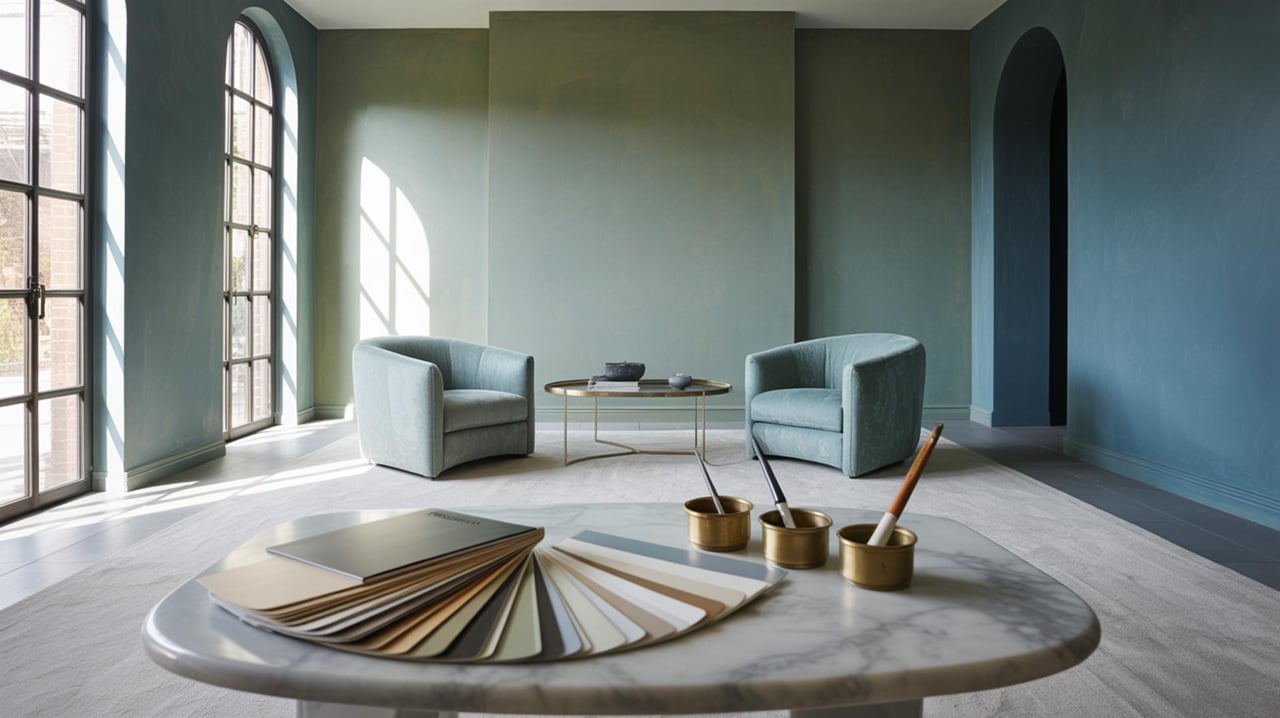
Before committing to a paint color, it's crucial to test samples in the actual room. Paint small sections of the wall with your top choices and observe how they look at different times of the day and under various lighting conditions. This hands-on approach allows you to see how the color interacts with the room's elements and prevents costly mistakes. Testing samples also gives you the opportunity to experiment with different finishes, such as matte, satin, or gloss, to find the perfect combination for your space.
Exploring Color Trends
While personal preference should always be the primary factor in color selection, exploring current color trends can provide inspiration and fresh ideas. Trends often reflect broader design movements and can introduce you to new palettes and combinations you might not have considered. However, it's essential to choose trends that resonate with your style and complement your home's architecture and furnishings. Incorporating trendy colors through accents or feature walls can be a great way to update your space without committing to a complete overhaul.
Balancing Warm and Cool Tones
Achieving a harmonious balance between warm and cool tones can create a visually appealing and comfortable environment. Warm tones, such as reds, yellows, and oranges, can add energy and warmth to a room, while cool tones, like blues, greens, and purples, can provide a sense of calm and relaxation. Consider the room's purpose and desired mood when balancing these tones. For example, a living room might benefit from a warm, inviting palette, while a bedroom could use cooler tones for a restful atmosphere.
Using Color to Highlight Architectural Features
Paint can be a powerful tool for highlighting architectural features and adding character to a room. Use contrasting colors to draw attention to moldings, trim, or built-in shelving. A darker shade on a ceiling can add depth and drama, while a lighter color can make a room feel more open and airy. Consider using a bold color on an accent wall to create a focal point and add visual interest. Thoughtful use of color can enhance the architectural elements of a space and create a cohesive design.
Incorporating Accent Colors
Accent colors can add personality and vibrancy to a room without overwhelming the space. These colors are typically used sparingly, in elements such as throw pillows, rugs, or artwork, to complement the primary wall color. When choosing accent colors, consider the overall color scheme and select hues that enhance and harmonize with the main tones. Accent colors can be a great way to introduce seasonal changes or reflect personal style, allowing for flexibility and creativity in your design.
Seeking Professional Advice
When in doubt, seeking professional advice can provide valuable insights and guidance. Interior designers and color consultants have the expertise to help you navigate the complexities of color selection and create a cohesive, stylish space. They can offer personalized recommendations based on your home's architecture, lighting, and existing décor, ensuring that your color choices enhance the overall aesthetic and functionality of your space. Professional advice can be especially beneficial for large projects or when working with challenging spaces.
Transform Your Space with the Right Colors
Choosing the perfect paint color can truly transform your living space, making it feel more inviting and personalized. By mastering the art of selecting paint tones, you can create a home environment that reflects your style and enhances your mood. Remember, the right color can make all the difference in how a room feels. If you're ready to take the next step in your home transformation, reach out to the experts at trinityelise.com for personalized advice and guidance.